


What to Know About Nashville Event Noise Rules & Permits
- Austin Mittelstadt
- May 23
- 6 min read
Updated: Jun 17

Planning an event means managing a long list of moving parts, from the venue to your guest count and timeline, to finding catering, understanding the power and parking situation, creating a weather plan and, of course, AV setup and logistics. Noise is the detail that tends to get pushed to the bottom of that list until it becomes a problem.
Most hosts think about sound, as in can folks hear the music, speeches or presentation clearly? Local noise rules look at it a bit differently. They focus on how far the sound carries, how late it continues, how close the event is to nearby homes and whether amplified audio is allowed under the venue agreement or permit.
In Nashville, TN, and across the Mid-South, noise rules are worth checking before event day. A little planning can help avoid complaints, fines, sudden volume cuts or an early end to the event.
Why Noise Rules Matter for Event Hosts
Noise rules matter because sound doesn't stop at the edge of the dance floor. Bass from subwoofers, live bands and DJs can travel farther than many expect, especially outdoors. Even a smaller speaker setup can spill into nearby areas if it's aimed the wrong way.
This attention to detail matters most when an event is close to those who aren't part of it. For example, a wedding reception may feel like a reasonable volume to the guests, but it can still be rather loud at the nearest property, or the low-end sound may carry well beyond the event.
Additionally, noise complaints can quickly create stress. The venue may ask you to lower the volume, local authority officials may get involved or the event may lose energy if the sound has to be reduced suddenly.
The best approach is to plan ahead. Sound levels, speaker placement, event timing and permit requirements should all be considered before event day.
Amplified Sound Is the Key Issue
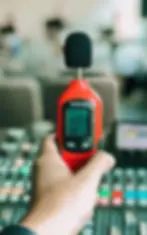
Most event noise concerns come from amplified sound. Amplified sound can include music, microphones, announcements or anything else being run through a sound system.
Nashville and Davidson County noise code states that events with amplified sound must end by or before 11 pm. That time cutoff is important, but it shouldn't be treated as the only rule that matters.
A permitted event can still run into trouble if the sound gets too loud, the speakers are aimed toward nearby homes or the event doesn't adhere to the permit conditions. Nashville’s excessive noise code also includes rules for outdoor music and entertainment, including an 85 dB(A) limit measured from the nearest residentially occupied property boundary at street level.
For hosts, the takeaway is simple: music before 11 pm doesn't automatically mean everything is fine. Volume, speaker placement and your nearby neighbors all matter.
Permits Depend on the Type of Event
Permit requirements vary based on the event's location, how you're using the space and whether the sound could affect both residential and commercial spaces nearby.
A public event usually has different requirements than a private event at a venue. Outdoor events may also need extra review, especially when amplified sound could carry beyond the event space, like concerts and other live performances.
Location is usually the first thing to check. Public spaces often have formal permit requirements, while private venues may have their own sound rules built into the agreement. Backyard events may be less formal, but they're still subject to local noise rules and neighborhood complaints.
The event setup matters too. Anything that changes the scale or impact of the event can affect what permits you need. Timing is also important, since applications often need to be submitted well in advance. In Nashville, Metro Parks’ special event application page notes that requests for amplification must be received no later than two weeks before the relevant meeting.
A good rule of thumb is to verify the rules early if the event includes amplified sound or could be heard beyond the immediate event space. That gives the host time to adjust the AV plan before the schedule, layout and equipment are finalized.
Venue Rules Can Be Stricter Than City Rules
City rules are only part of the equation. Venues often have their own sound policies, and they may be stricter than local ordinances. For instance, a venue may require music to end earlier than the city does. It may also have limits on how loud the event can be, where you can place speakers or whether certain equipment is allowed outside.
For this reason, it's best not to assume that city approval means the venue allows everything. The venue agreement, permit conditions and AV plan all need to line up, so be sure to ask your venue if they don't communicate it to you. It's much easier to plan around a sound limit than to react to one once guests are already dancing.
It's also necessary to ask how the venue handles sound complaints. Some venues monitor volume during the event, while others may require audio to run through a limiter or ask you to reduce the sound if a complaint comes in.

Outdoor Events Need Extra Sound Planning
Outdoor sound behaves differently from indoor sound. Inside a room, walls and soft surfaces help contain the audio. Outside, sound has more room to travel, and nearby buildings, weather and terrain can all affect where it goes.
Bass is often the hardest part to control. Low-end sound can carry farther than the rest of the music, which means the event may sound fine to guests but create a steady rumble for someone nearby.
Speaker placement makes a major difference. A good setup should focus sound toward the audience and away from sensitive areas whenever possible. For smaller events, that may mean placing speakers closer to the guests instead of making one system louder from farther away.
At the end of the day, guests should be able to hear clearly without the system being louder than necessary.
Don't Forget to Plan Your Sound Checks
Sound checks are easy to overlook. They happen before the event officially starts, but they can cause complaints if they're too loud or go on too long.
For outdoor events, schedule sound checks at a reasonable time and keep them focused. The AV team should test the system, confirm coverage and avoid running loud music longer than needed.
Communicate With Neighbors When It Makes Sense
For some events, a little communication can prevent a lot of frustration. If nearby neighbors can hear amplified music, it may help to give them a heads-up before the event.
You don't have to make the message overly complicated. Simply share the event date, general time range, expected end time and a direct contact if there's a concern. That gives neighbors a simple way to reach someone before calling the police or filing a complaint.
This courtesy doesn't replace the need to follow local rules, but it can build goodwill. Folks are often more patient when they know what's happening and when it'll end.

What Is the AV Provider’s Role in Noise Control?
An experienced AV provider can help reduce noise issues before they start, beginning with choosing the right system for the event. Bigger is not always better, and the best setup depends on how the event needs to use the space.
A professional AV team can also help with speaker placement, microphone control and real-time adjustments. If there's an on-site technician, they can respond quickly if the venue asks for a volume change or if the mix needs adjustment during the event.
Good sound is not just about volume. It is about clarity, control and coverage.
What You Should Ask a Venue Before Booking AV
Before finalizing an AV order, hosts should understand the basic event details, including where the event is happening, how many attendees are expected, what the timeline looks like and what kind of audio support is needed.
It's also critical to ask the venue about any sound restrictions before booking equipment. That includes whether amplified sound is allowed, when music needs to end and whether there are any limits on volume or speaker placement.
For public events, hosts should check whether a special event permit is required and whether amplified sound needs to be included in the application. This step should happen early, especially for outdoor events or events in public spaces.
Once those details are clear, the AV provider can recommend a setup that fits the rules, the space and the guest experience.
Find Event AV Rentals and Sound Support Near Nashville, TN
Noise rules and permits may not be the most exciting part of event planning, but they can have a big impact on how smoothly the day runs. The best events find the right balance. They feel clear and energetic for the attendees while respecting the venue, neighbors and local requirements.
If you're hosting an event, reach out to our technicians to get the right AV plan in place from the start.
Need audio equipment for your Nashville event? Channel Audio rents professional-grade gear with delivery and setup included. Browse our audio rentals or request a quote today.
At Channel Audio, we provide professional AV rentals and event audio support for events throughout Nashville, TN, and the Mid-South region, including Southern Kentucky, Northern Alabama and Georgia. We can help you choose the right sound system, plan speaker placement and avoid common audio issues before they become event-day nightmares.
